
A Mother on Paper

They met while working overseas in a country neither of them truly belonged to.
Same department. Same routines. Same long workdays in a foreign place where loneliness made people open up faster than they normally would.
He told her he was a widower.
A father of five.
She told him she was divorced and had no children.
At first, it was just conversations between coworkers. Then lunches. Then evenings spent talking longer than they intended to. Gradually, carefully, they let each other in.
Eventually, they started dating.
A few months later, he invited her to visit his home country.
She agreed.
She imagined a quiet home with five grieving children who had lost their mother too early. Maybe she even prepared herself emotionally for that role — not as a replacement, but as someone stepping into a complicated space.
Instead, the moment she entered the house, something felt off.
The house was lively.
Too lively.
Not the atmosphere of a grieving widower raising children alone.
And the “children” weren’t really children either.
Most of them were already young adults.
Then she counted.
Not five.
Six.
There was also a woman in the house.
He introduced the woman as one of the maids.
Then he introduced the sixth child in the same dismissive spirit, refusing to acknowledge her as part of the family the way he did the others. He spoke about both of them as though they existed somewhere beneath everyone else in the house.
Still, everyone welcomed her warmly.
She stayed for two weeks.
She ate with them. Laughed with them. Slept under their roof. Then she returned to her own country carrying a discomfort she couldn’t fully explain yet.
The truth came later.
The woman he introduced as a maid was not a maid.
She was his wife.
Alive. Present. Still married to him.
And the sixth child — the one he refused to count — was his eldest daughter. A daughter he resented because she had gotten pregnant young. A daughter he had emotionally pushed aside long before anyone else arrived.
The more she learned about him, the uglier the picture became.
He shared intimate details about their relationship with his friends. Personal bedroom matters. Private things. Enough for one of his own friends to eventually feel comfortable flirting with her openly.
She ended the relationship.
Not dramatically. Not publicly. She simply walked away after realizing the man she trusted had no respect for her privacy, her dignity, or the boundaries that should exist between partners.
For years, she believed ending the relationship had closed that chapter of her life.
She was wrong.
Years later, one of the children eventually told her the truth.
During those two weeks she stayed with his family, he had secretly taken her passport information.
Without her knowledge.
Without her permission.
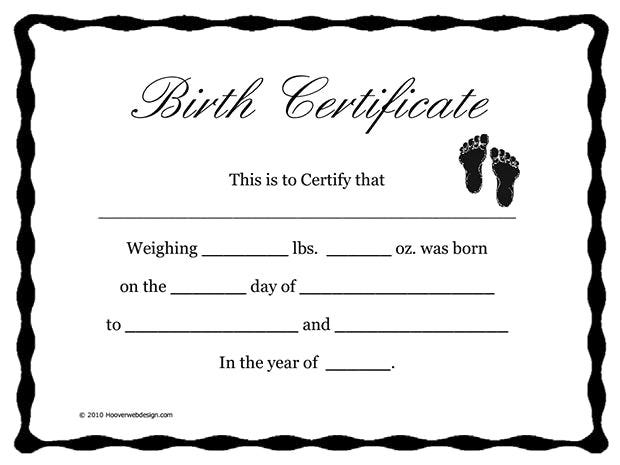
Then, through connections and manipulation, he used that information to legally register her as the mother of his children.
Not one child.
All six.
That paperwork later helped the children claim her nationality and move to her country.
By the time she fully understood what he had done, the damage had already spread.
She confronted him.
He didn’t panic.
Didn’t apologize.
Didn’t even properly deny it.
He shrugged.
Deflected.
Minimized it.
As though rewriting motherhood on legal documents was some minor administrative trick instead of a life-altering violation.
One day she was a woman with no children.
The next, she existed on paper as the legal mother of six people she never gave birth to, never adopted, never consented to claim.
And eventually, those children started calling her “mom.”
A man deciding he had the authority to erase one mother and replace her with another — without either woman knowing.
Without either woman agreeing.
Now everyone involved has grown older.
The children are adults with families of their own.
Entire lives have been built on top of forged identities and buried truths.
She could have exposed him.
Could have reported the fraud.
Could have had him arrested.
Maybe even destroyed everything he built from those lies.
But eventually she chose silence over war.
Not forgiveness.
Just exhaustion.
Still, she made sure of one thing:
Those children would never touch her inheritance.
Because in the end, she realized that may have been the plan all along.
Note:
This story is not mine personally, but it is inspired by real events experienced by someone I know.
Heartbreaking, especially to find out it's based on real events. The rage that emerges clashes with her exhaustion. Thank you for sharing.
Jarring piece 👀 very defined point of complexity for a mother’s specific condition in connections and affiliations. Well done articulating it… sadness